

In industrial settings, the condition of oil directly determines equipment lifespan and operating costs. Traditional monitoring often requires multiple instruments-thermometers, viscometers, and densitometers-which not only takes up space but is also prone to misjudgments due to inconsistent synchronization.
The ZH-600 six-parameter oil quality sensor, developed by ZHYQ, simultaneously measures six key parameters: temperature, dynamic viscosity, density, dielectric constant, water activity, and water content-with a single installation, allowing equipment managers to gain a comprehensive view of oil quality.
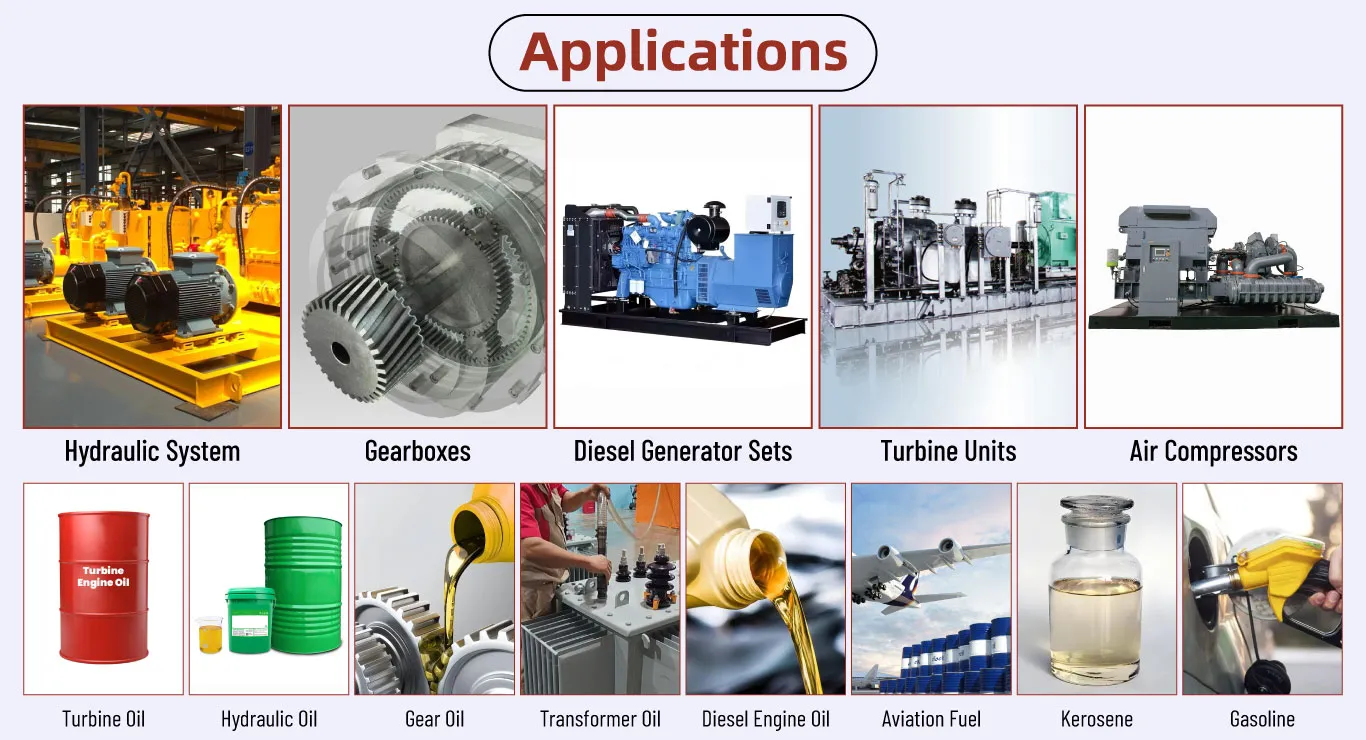
The practical value of application scenarios
Hydraulic systems (pump stations, cranes)
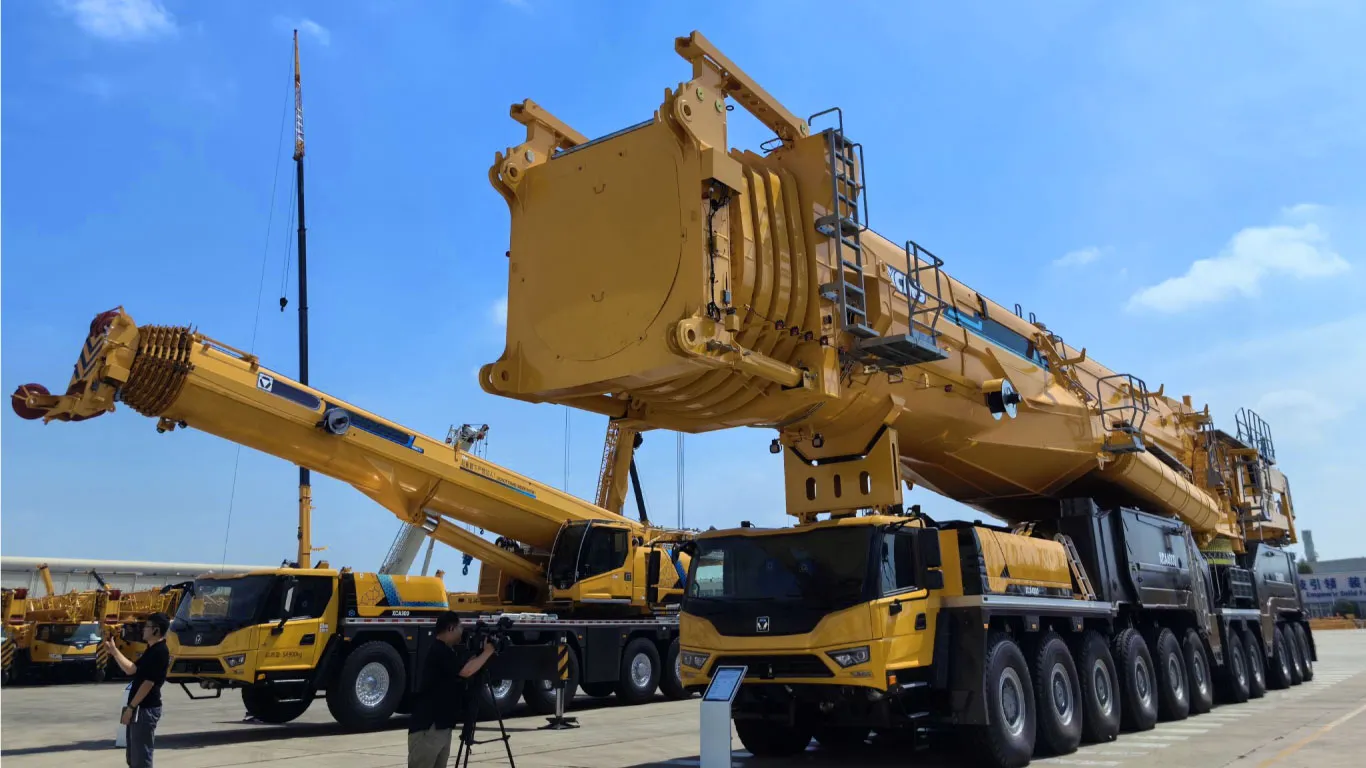
Typical issues: Increased temperature causes viscosity loss, and oil aging accelerates wear.
The value of the six-parameter oil quality sensor: Real-time monitoring of viscosity and temperature provides early warning and optimizes refueling strategies.
Gearboxes (Marine and Mining Equipment)

Typical Problems: Water content and impurity accumulation leading to bearing failure
The Value of Six-Parameter Oil Quality Sensors: Detecting oil cleanliness through water content and dielectric constant allows for timely replacement or cleaning.
Diesel Generators/Turbine Generators
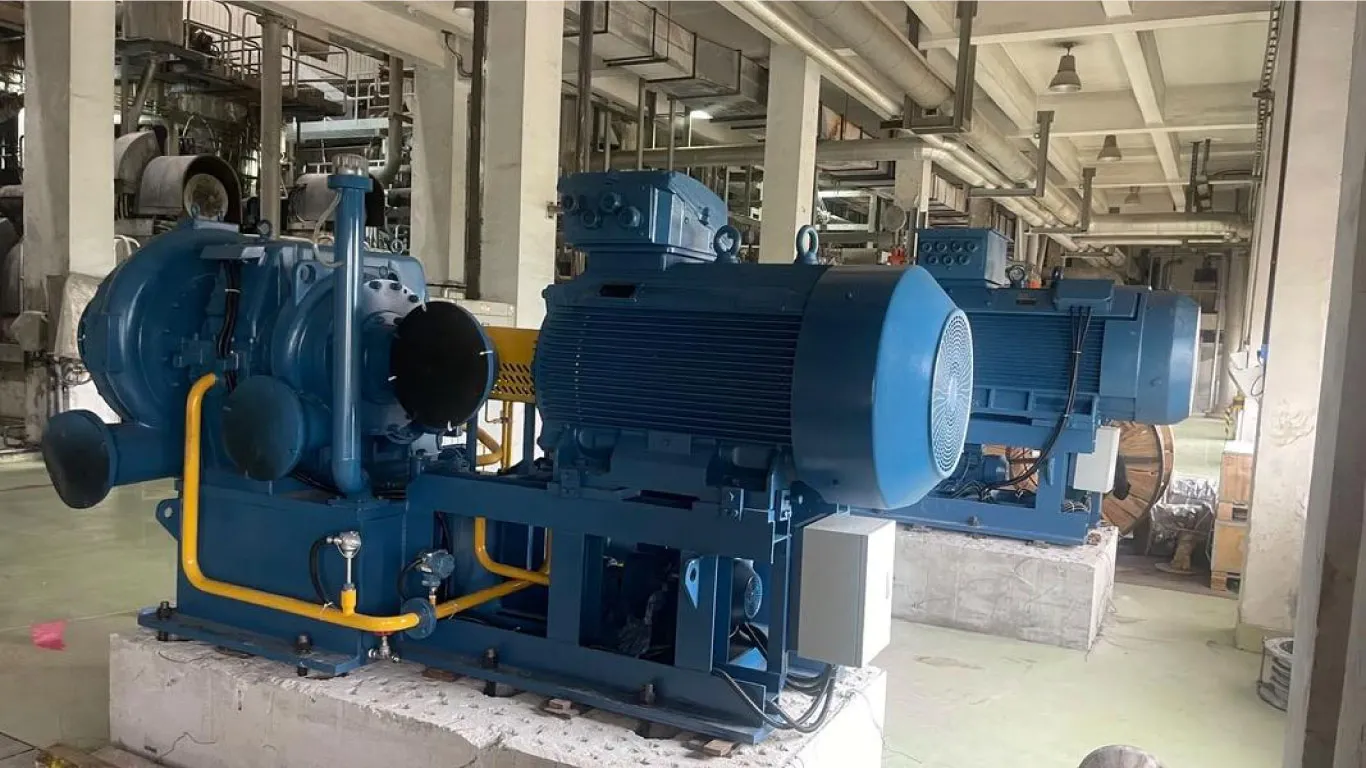
Typical Problem: Fuel Dilution Leads to Decreased Efficiency
The Value of a Six-Parameter Oil Quality Sensor: Simultaneously monitors fuel viscosity and density to ensure optimal engine operation.
Aviation Fuel System

Typical Problem: Trace Moisture Affects Ignition Performance
The Value of Six-Parameter Fuel Quality Sensors: Water Activity Testing Can Prevent Potential Safety Hazard
Air Compressor & Transformer Oil

Typical Problem: Prolonged High Temperatures Lead to Oil Degradation
The Value of Six-Parameter Oil Quality Sensors: Dual Monitoring of Temperature and Viscosity Prevents Downtime Due to Oil Failure
From hydraulics to aviation fuel, whether it is industrial equipment or critical systems, the ZH-600 six-parameter oil quality sensor allows you to identify risks in advance, extend service life and reduce maintenance costs.
Advantages
1. Single installation, multi-parameter monitoring: Real-time monitoring of oil quality reduces the risk of accidents.
2. Reduced labor costs: Large-scale, simultaneous monitoring significantly reduces inspection cycles and costs.
3. Industry standard certification (EN61326-1/2/3, ICES-003 Class B) ensures stable operation under extreme temperatures and pressures.
4. Low power consumption, high compatibility: 12-32VDC power supply and standard RS485 communication enable easy integration into existing SCADA or PLC systems.
5. Fast response: Data output is once per second, enabling seamless integration with intelligent early warning platforms.