
Why Is the Diaphragm So Important?
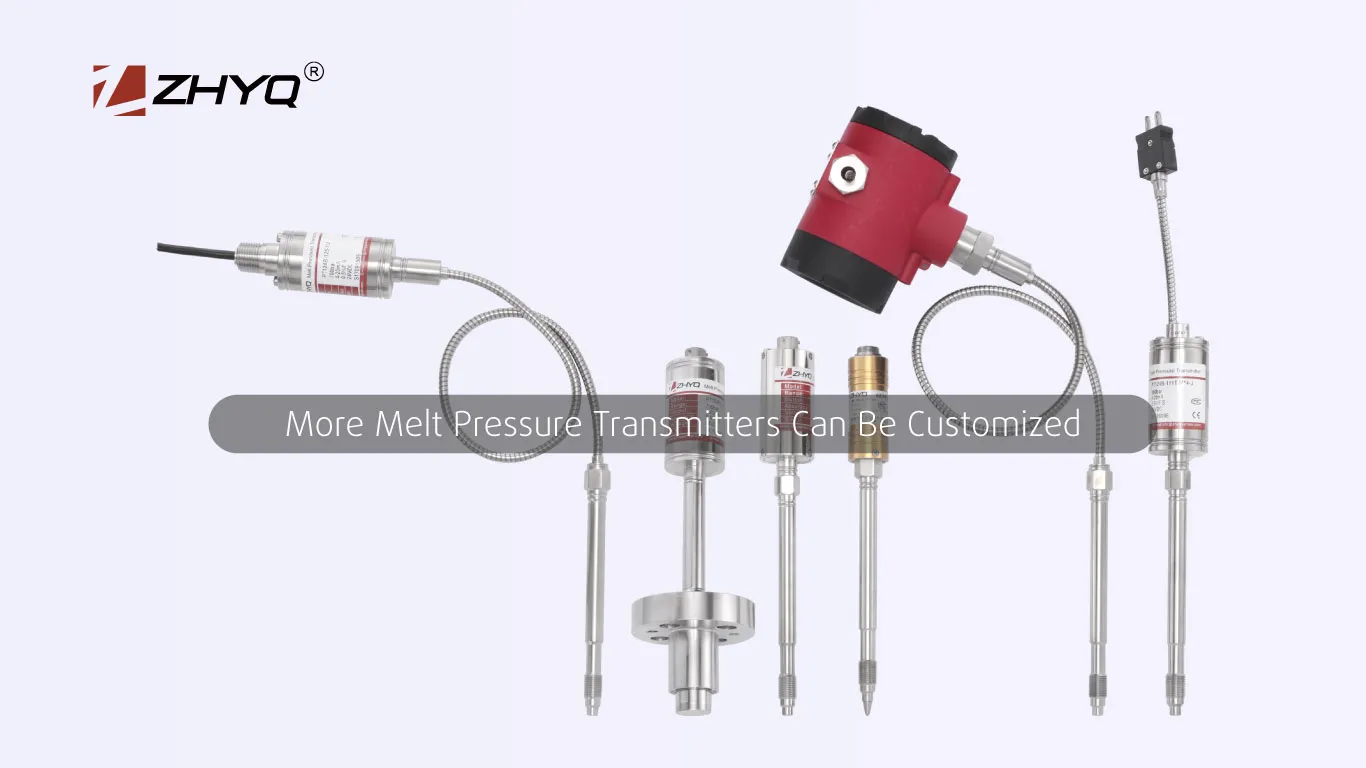
In environments such as chemical fiber spinning, petrochemicals, or the nuclear industry, high-temperature melt pressure transmitters (PT124B-1X series) are key components for critical parameter measurement.
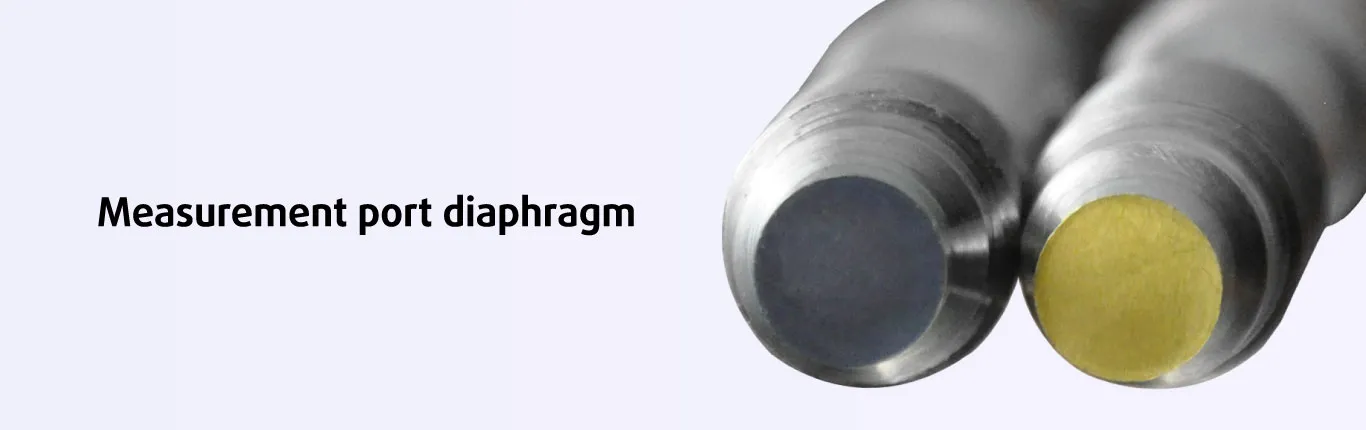
The most vulnerable yet essential part is the diaphragm-it directly withstands high pressure, high temperature, and strong corrosive media, acting as the first line of defense for the entire sensing system.
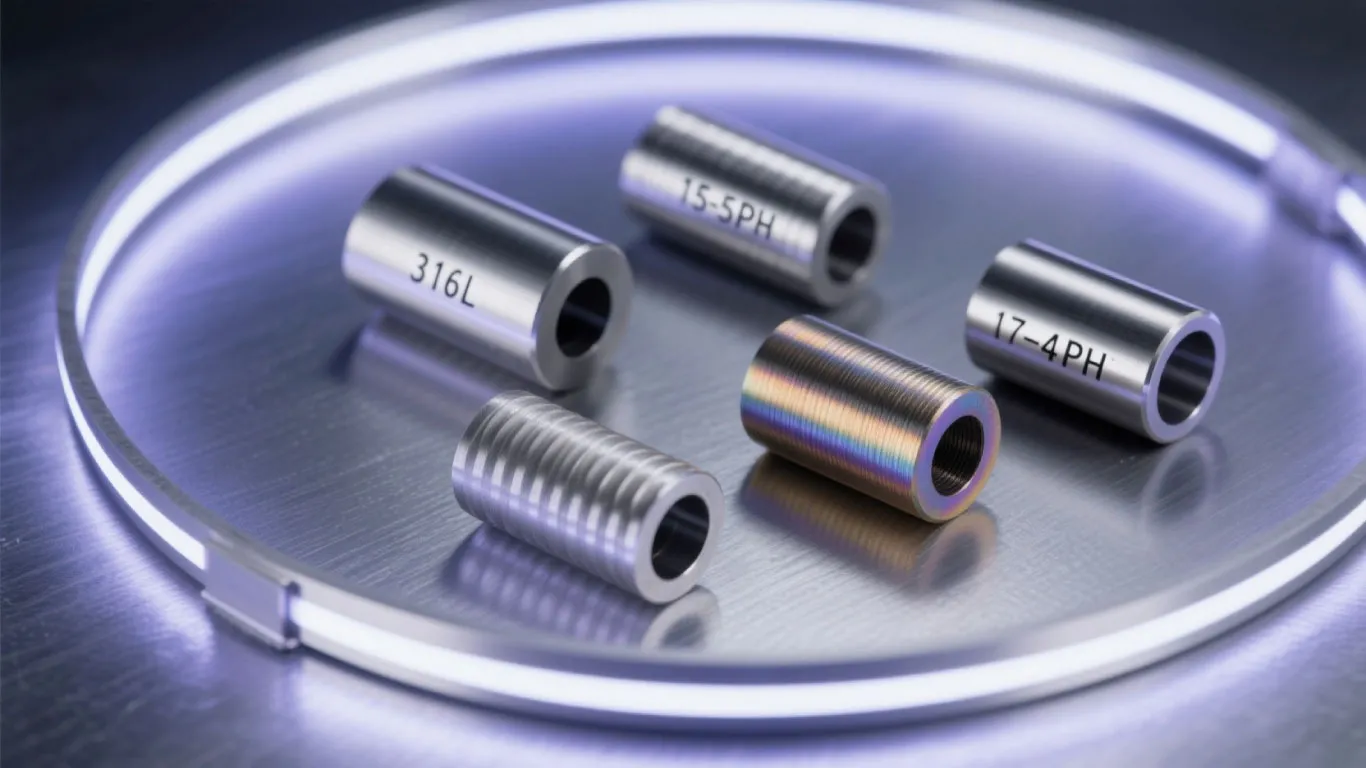
The following sections compare four commonly used stainless-steel/nickel-alloy materials from ZHYQ (316L, 17-4PH, 15-5PH, C276, and Inconel 718), helping you select the most suitable diaphragm material based on your working conditions, along with practical guidance for the PT124B-1X series.
Overview of Candidate Materials
17-4PH and 15-5PH are both precipitation-hardening stainless steels, while 316L is a low-carbon austenitic stainless steel.
C276 and the Inconel series are nickel-based superalloys.
Mechanical strength comparison (yield strength, tensile strength, hardness, max operating temperature):
C276/Inconel > 17-4PH > 15-5PH > 316L
Corrosion resistance:
The corrosion behavior of these materials varies by medium.
Notably, 17-4PH, 15-5PH, and C276 can be enhanced with anti-sulfide coatings, improving resistance to sulfur-containing media.
Material Selection Recommendations Based on Working Conditions
For low to medium temperature (≤350 °C) and non-corrosive media with a moderate measuring range, 17-4PH or 15-5PH diaphragms are suitable.
For high temperatures or media containing sulfides/chlorides, select C276 or specific grades of Inconel.
For low measuring ranges, 316L diaphragms are recommended.
Selecting the Optimal Diaphragm for the PT124B-1X High-Temperature Melt Pressure Transmitter
Define operating conditions: temperature, pressure, medium composition, and service life requirements.
Match materials:
• Low temperature / mild corrosion → 17-4PH or 15-5PH
• High temperature / strong corrosion → C276 or Inconel
• Low measuring range → 316L
Confirm heat treatment: precipitation hardening + necessary annealing to ensure a complete hardened structure.
Verify dimensions and geometry: thickness and flatness must satisfy pressure-distribution requirements.
Installation & maintenance: tight assembly, periodic inspection, and corrosion prevention.